

| // Copyright 2013 The Flutter Authors. All rights reserved. | |
| // Use of this source code is governed by a BSD-style license that can be | |
| // found in the LICENSE file. | |
| part of dart.ui; | |
| /// Signature of callbacks that have no arguments and return no data. | |
| typedef VoidCallback = void Function(); | |
| /// Signature for [PlatformDispatcher.onBeginFrame]. | |
| typedef FrameCallback = void Function(Duration duration); | |
| /// Signature for [PlatformDispatcher.onReportTimings]. | |
| /// | |
| /// {@template dart.ui.TimingsCallback.list} | |
| /// The callback takes a list of [FrameTiming] because it may not be | |
| /// immediately triggered after each frame. Instead, Flutter tries to batch | |
| /// frames together and send all their timings at once to decrease the | |
| /// overhead (as this is available in the release mode). The list is sorted in | |
| /// ascending order of time (earliest frame first). The timing of any frame | |
| /// will be sent within about 1 second (100ms if in the profile/debug mode) | |
| /// even if there are no later frames to batch. The timing of the first frame | |
| /// will be sent immediately without batching. | |
| /// {@endtemplate} | |
| typedef TimingsCallback = void Function(List<FrameTiming> timings); | |
| /// Signature for [PlatformDispatcher.onPointerDataPacket]. | |
| typedef PointerDataPacketCallback = void Function(PointerDataPacket packet); | |
| /// Signature for [PlatformDispatcher.onKeyData]. | |
| /// | |
| /// The callback should return true if the key event has been handled by the | |
| /// framework and should not be propagated further. | |
| typedef KeyDataCallback = bool Function(KeyData data); | |
| /// Signature for [PlatformDispatcher.onSemanticsAction]. | |
| typedef SemanticsActionCallback = void Function(int id, SemanticsAction action, ByteData? args); | |
| /// Signature for responses to platform messages. | |
| /// | |
| /// Used as a parameter to [PlatformDispatcher.sendPlatformMessage] and | |
| /// [PlatformDispatcher.onPlatformMessage]. | |
| typedef PlatformMessageResponseCallback = void Function(ByteData? data); | |
| /// Signature for [PlatformDispatcher.onPlatformMessage]. | |
| // TODO(ianh): deprecate once framework uses [ChannelBuffers.setListener]. | |
| typedef PlatformMessageCallback = void Function(String name, ByteData? data, PlatformMessageResponseCallback? callback); | |
| // Signature for _setNeedsReportTimings. | |
| typedef _SetNeedsReportTimingsFunc = void Function(bool value); | |
| /// Signature for [PlatformDispatcher.onConfigurationChanged]. | |
| typedef PlatformConfigurationChangedCallback = void Function(PlatformConfiguration configuration); | |
| /// Signature for [PlatformDispatcher.onError]. | |
| /// | |
| /// If this method returns false, the engine may use some fallback method to | |
| /// provide information about the error. | |
| /// | |
| /// After calling this method, the process or the VM may terminate. Some severe | |
| /// unhandled errors may not be able to call this method either, such as Dart | |
| /// compilation errors or process terminating errors. | |
| typedef ErrorCallback = bool Function(Object exception, StackTrace stackTrace); | |
| // A gesture setting value that indicates it has not been set by the engine. | |
| const double _kUnsetGestureSetting = -1.0; | |
| // A message channel to receive KeyData from the platform. | |
| // | |
| // See embedder.cc::kFlutterKeyDataChannel for more information. | |
| const String _kFlutterKeyDataChannel = 'flutter/keydata'; | |
| @pragma('vm:entry-point') | |
| ByteData? _wrapUnmodifiableByteData(ByteData? byteData) => | |
| byteData == null ? null : UnmodifiableByteDataView(byteData); | |
| /// A token that represents a root isolate. | |
| class RootIsolateToken { | |
| RootIsolateToken._(this._token); | |
| /// An enumeration representing the root isolate (0 if not a root isolate). | |
| final int _token; | |
| /// The token for the root isolate that is executing this Dart code. If this | |
| /// Dart code is not executing on a root isolate [instance] will be null. | |
| static final RootIsolateToken? instance = () { | |
| final int token = __getRootIsolateToken(); | |
| return token == 0 ? null : RootIsolateToken._(token); | |
| }(); | |
| @FfiNative<Int64 Function()>('PlatformConfigurationNativeApi::GetRootIsolateToken') | |
| external static int __getRootIsolateToken(); | |
| } | |
| /// Platform event dispatcher singleton. | |
| /// | |
| /// The most basic interface to the host operating system's interface. | |
| /// | |
| /// This is the central entry point for platform messages and configuration | |
| /// events from the platform. | |
| /// | |
| /// It exposes the core scheduler API, the input event callback, the graphics | |
| /// drawing API, and other such core services. | |
| /// | |
| /// It manages the list of the application's [views] and the [screens] attached | |
| /// to the device, as well as the [configuration] of various platform | |
| /// attributes. | |
| /// | |
| /// Consider avoiding static references to this singleton through | |
| /// [PlatformDispatcher.instance] and instead prefer using a binding for | |
| /// dependency resolution such as `WidgetsBinding.instance.platformDispatcher`. | |
| /// See [PlatformDispatcher.instance] for more information about why this is | |
| /// preferred. | |
| class PlatformDispatcher { | |
| /// Private constructor, since only dart:ui is supposed to create one of | |
| /// these. Use [instance] to access the singleton. | |
| PlatformDispatcher._() { | |
| _setNeedsReportTimings = _nativeSetNeedsReportTimings; | |
| } | |
| /// The [PlatformDispatcher] singleton. | |
| /// | |
| /// Consider avoiding static references to this singleton though | |
| /// [PlatformDispatcher.instance] and instead prefer using a binding for | |
| /// dependency resolution such as `WidgetsBinding.instance.platformDispatcher`. | |
| /// | |
| /// Static access of this object means that Flutter has few, if any options to | |
| /// fake or mock the given object in tests. Even in cases where Dart offers | |
| /// special language constructs to forcefully shadow such properties, those | |
| /// mechanisms would only be reasonable for tests and they would not be | |
| /// reasonable for a future of Flutter where we legitimately want to select an | |
| /// appropriate implementation at runtime. | |
| /// | |
| /// The only place that `WidgetsBinding.instance.platformDispatcher` is | |
| /// inappropriate is if access to these APIs is required before the binding is | |
| /// initialized by invoking `runApp()` or | |
| /// `WidgetsFlutterBinding.instance.ensureInitialized()`. In that case, it is | |
| /// necessary (though unfortunate) to use the [PlatformDispatcher.instance] | |
| /// object statically. | |
| static PlatformDispatcher get instance => _instance; | |
| static final PlatformDispatcher _instance = PlatformDispatcher._(); | |
| /// The current platform configuration. | |
| /// | |
| /// If values in this configuration change, [onPlatformConfigurationChanged] | |
| /// will be called. | |
| PlatformConfiguration get configuration => _configuration; | |
| PlatformConfiguration _configuration = const PlatformConfiguration(); | |
| /// Called when the platform configuration changes. | |
| /// | |
| /// The engine invokes this callback in the same zone in which the callback | |
| /// was set. | |
| VoidCallback? get onPlatformConfigurationChanged => _onPlatformConfigurationChanged; | |
| VoidCallback? _onPlatformConfigurationChanged; | |
| Zone _onPlatformConfigurationChangedZone = Zone.root; | |
| set onPlatformConfigurationChanged(VoidCallback? callback) { | |
| _onPlatformConfigurationChanged = callback; | |
| _onPlatformConfigurationChangedZone = Zone.current; | |
| } | |
| /// The current list of views, including top level platform windows used by | |
| /// the application. | |
| /// | |
| /// If any of their configurations change, [onMetricsChanged] will be called. | |
| Iterable<FlutterView> get views => _views.values; | |
| final Map<Object, FlutterView> _views = <Object, FlutterView>{}; | |
| // A map of opaque platform view identifiers to view configurations. | |
| final Map<Object, ViewConfiguration> _viewConfigurations = <Object, ViewConfiguration>{}; | |
| /// A callback that is invoked whenever the [ViewConfiguration] of any of the | |
| /// [views] changes. | |
| /// | |
| /// For example when the device is rotated or when the application is resized | |
| /// (e.g. when showing applications side-by-side on Android), | |
| /// `onMetricsChanged` is called. | |
| /// | |
| /// The engine invokes this callback in the same zone in which the callback | |
| /// was set. | |
| /// | |
| /// The framework registers with this callback and updates the layout | |
| /// appropriately. | |
| /// | |
| /// See also: | |
| /// | |
| /// * [WidgetsBindingObserver], for a mechanism at the widgets layer to | |
| /// register for notifications when this is called. | |
| /// * [MediaQuery.of], a simpler mechanism for the same. | |
| VoidCallback? get onMetricsChanged => _onMetricsChanged; | |
| VoidCallback? _onMetricsChanged; | |
| Zone _onMetricsChangedZone = Zone.root; | |
| set onMetricsChanged(VoidCallback? callback) { | |
| _onMetricsChanged = callback; | |
| _onMetricsChangedZone = Zone.current; | |
| } | |
| // Called from the engine, via hooks.dart | |
| // | |
| // Updates the metrics of the window with the given id. | |
| void _updateWindowMetrics( | |
| Object id, | |
| double devicePixelRatio, | |
| double width, | |
| double height, | |
| double viewPaddingTop, | |
| double viewPaddingRight, | |
| double viewPaddingBottom, | |
| double viewPaddingLeft, | |
| double viewInsetTop, | |
| double viewInsetRight, | |
| double viewInsetBottom, | |
| double viewInsetLeft, | |
| double systemGestureInsetTop, | |
| double systemGestureInsetRight, | |
| double systemGestureInsetBottom, | |
| double systemGestureInsetLeft, | |
| double physicalTouchSlop, | |
| List<double> displayFeaturesBounds, | |
| List<int> displayFeaturesType, | |
| List<int> displayFeaturesState, | |
| ) { | |
| final ViewConfiguration previousConfiguration = | |
| _viewConfigurations[id] ?? const ViewConfiguration(); | |
| if (!_views.containsKey(id)) { | |
| _views[id] = FlutterWindow._(id, this); | |
| } | |
| _viewConfigurations[id] = previousConfiguration.copyWith( | |
| window: _views[id], | |
| devicePixelRatio: devicePixelRatio, | |
| geometry: Rect.fromLTWH(0.0, 0.0, width, height), | |
| viewPadding: WindowPadding._( | |
| top: viewPaddingTop, | |
| right: viewPaddingRight, | |
| bottom: viewPaddingBottom, | |
| left: viewPaddingLeft, | |
| ), | |
| viewInsets: WindowPadding._( | |
| top: viewInsetTop, | |
| right: viewInsetRight, | |
| bottom: viewInsetBottom, | |
| left: viewInsetLeft, | |
| ), | |
| padding: WindowPadding._( | |
| top: math.max(0.0, viewPaddingTop - viewInsetTop), | |
| right: math.max(0.0, viewPaddingRight - viewInsetRight), | |
| bottom: math.max(0.0, viewPaddingBottom - viewInsetBottom), | |
| left: math.max(0.0, viewPaddingLeft - viewInsetLeft), | |
| ), | |
| systemGestureInsets: WindowPadding._( | |
| top: math.max(0.0, systemGestureInsetTop), | |
| right: math.max(0.0, systemGestureInsetRight), | |
| bottom: math.max(0.0, systemGestureInsetBottom), | |
| left: math.max(0.0, systemGestureInsetLeft), | |
| ), | |
| // -1 is used as a sentinel for an undefined touch slop | |
| gestureSettings: GestureSettings( | |
| physicalTouchSlop: physicalTouchSlop == _kUnsetGestureSetting ? null : physicalTouchSlop, | |
| ), | |
| displayFeatures: _decodeDisplayFeatures( | |
| bounds: displayFeaturesBounds, | |
| type: displayFeaturesType, | |
| state: displayFeaturesState, | |
| devicePixelRatio: devicePixelRatio, | |
| ), | |
| ); | |
| _invoke(onMetricsChanged, _onMetricsChangedZone); | |
| } | |
| List<DisplayFeature> _decodeDisplayFeatures({ | |
| required List<double> bounds, | |
| required List<int> type, | |
| required List<int> state, | |
| required double devicePixelRatio, | |
| }) { | |
| assert(bounds.length / 4 == type.length, 'Bounds are rectangles, requiring 4 measurements each'); | |
| assert(type.length == state.length); | |
| final List<DisplayFeature> result = <DisplayFeature>[]; | |
| for(int i = 0; i < type.length; i++) { | |
| final int rectOffset = i * 4; | |
| result.add(DisplayFeature( | |
| bounds: Rect.fromLTRB( | |
| bounds[rectOffset] / devicePixelRatio, | |
| bounds[rectOffset + 1] / devicePixelRatio, | |
| bounds[rectOffset + 2] / devicePixelRatio, | |
| bounds[rectOffset + 3] / devicePixelRatio, | |
| ), | |
| type: DisplayFeatureType.values[type[i]], | |
| state: state[i] < DisplayFeatureState.values.length | |
| ? DisplayFeatureState.values[state[i]] | |
| : DisplayFeatureState.unknown, | |
| )); | |
| } | |
| return result; | |
| } | |
| /// A callback invoked when any view begins a frame. | |
| /// | |
| /// A callback that is invoked to notify the application that it is an | |
| /// appropriate time to provide a scene using the [SceneBuilder] API and the | |
| /// [FlutterView.render] method. | |
| /// | |
| /// When possible, this is driven by the hardware VSync signal of the attached | |
| /// screen with the highest VSync rate. This is only called if | |
| /// [PlatformDispatcher.scheduleFrame] has been called since the last time | |
| /// this callback was invoked. | |
| FrameCallback? get onBeginFrame => _onBeginFrame; | |
| FrameCallback? _onBeginFrame; | |
| Zone _onBeginFrameZone = Zone.root; | |
| set onBeginFrame(FrameCallback? callback) { | |
| _onBeginFrame = callback; | |
| _onBeginFrameZone = Zone.current; | |
| } | |
| // Called from the engine, via hooks.dart | |
| void _beginFrame(int microseconds) { | |
| _invoke1<Duration>( | |
| onBeginFrame, | |
| _onBeginFrameZone, | |
| Duration(microseconds: microseconds), | |
| ); | |
| } | |
| /// A callback that is invoked for each frame after [onBeginFrame] has | |
| /// completed and after the microtask queue has been drained. | |
| /// | |
| /// This can be used to implement a second phase of frame rendering that | |
| /// happens after any deferred work queued by the [onBeginFrame] phase. | |
| VoidCallback? get onDrawFrame => _onDrawFrame; | |
| VoidCallback? _onDrawFrame; | |
| Zone _onDrawFrameZone = Zone.root; | |
| set onDrawFrame(VoidCallback? callback) { | |
| _onDrawFrame = callback; | |
| _onDrawFrameZone = Zone.current; | |
| } | |
| // Called from the engine, via hooks.dart | |
| void _drawFrame() { | |
| _invoke(onDrawFrame, _onDrawFrameZone); | |
| } | |
| /// A callback that is invoked when pointer data is available. | |
| /// | |
| /// The framework invokes this callback in the same zone in which the callback | |
| /// was set. | |
| /// | |
| /// See also: | |
| /// | |
| /// * [GestureBinding], the Flutter framework class which manages pointer | |
| /// events. | |
| PointerDataPacketCallback? get onPointerDataPacket => _onPointerDataPacket; | |
| PointerDataPacketCallback? _onPointerDataPacket; | |
| Zone _onPointerDataPacketZone = Zone.root; | |
| set onPointerDataPacket(PointerDataPacketCallback? callback) { | |
| _onPointerDataPacket = callback; | |
| _onPointerDataPacketZone = Zone.current; | |
| } | |
| // Called from the engine, via hooks.dart | |
| void _dispatchPointerDataPacket(ByteData packet) { | |
| if (onPointerDataPacket != null) { | |
| _invoke1<PointerDataPacket>( | |
| onPointerDataPacket, | |
| _onPointerDataPacketZone, | |
| _unpackPointerDataPacket(packet), | |
| ); | |
| } | |
| } | |
| // If this value changes, update the encoding code in the following files: | |
| // | |
| // * pointer_data.cc | |
| // * pointer.dart | |
| // * AndroidTouchProcessor.java | |
| static const int _kPointerDataFieldCount = 35; | |
| static PointerDataPacket _unpackPointerDataPacket(ByteData packet) { | |
| const int kStride = Int64List.bytesPerElement; | |
| const int kBytesPerPointerData = _kPointerDataFieldCount * kStride; | |
| final int length = packet.lengthInBytes ~/ kBytesPerPointerData; | |
| assert(length * kBytesPerPointerData == packet.lengthInBytes); | |
| final List<PointerData> data = <PointerData>[]; | |
| for (int i = 0; i < length; ++i) { | |
| int offset = i * _kPointerDataFieldCount; | |
| data.add(PointerData( | |
| embedderId: packet.getInt64(kStride * offset++, _kFakeHostEndian), | |
| timeStamp: Duration(microseconds: packet.getInt64(kStride * offset++, _kFakeHostEndian)), | |
| change: PointerChange.values[packet.getInt64(kStride * offset++, _kFakeHostEndian)], | |
| kind: PointerDeviceKind.values[packet.getInt64(kStride * offset++, _kFakeHostEndian)], | |
| signalKind: PointerSignalKind.values[packet.getInt64(kStride * offset++, _kFakeHostEndian)], | |
| device: packet.getInt64(kStride * offset++, _kFakeHostEndian), | |
| pointerIdentifier: packet.getInt64(kStride * offset++, _kFakeHostEndian), | |
| physicalX: packet.getFloat64(kStride * offset++, _kFakeHostEndian), | |
| physicalY: packet.getFloat64(kStride * offset++, _kFakeHostEndian), | |
| physicalDeltaX: packet.getFloat64(kStride * offset++, _kFakeHostEndian), | |
| physicalDeltaY: packet.getFloat64(kStride * offset++, _kFakeHostEndian), | |
| buttons: packet.getInt64(kStride * offset++, _kFakeHostEndian), | |
| obscured: packet.getInt64(kStride * offset++, _kFakeHostEndian) != 0, | |
| synthesized: packet.getInt64(kStride * offset++, _kFakeHostEndian) != 0, | |
| pressure: packet.getFloat64(kStride * offset++, _kFakeHostEndian), | |
| pressureMin: packet.getFloat64(kStride * offset++, _kFakeHostEndian), | |
| pressureMax: packet.getFloat64(kStride * offset++, _kFakeHostEndian), | |
| distance: packet.getFloat64(kStride * offset++, _kFakeHostEndian), | |
| distanceMax: packet.getFloat64(kStride * offset++, _kFakeHostEndian), | |
| size: packet.getFloat64(kStride * offset++, _kFakeHostEndian), | |
| radiusMajor: packet.getFloat64(kStride * offset++, _kFakeHostEndian), | |
| radiusMinor: packet.getFloat64(kStride * offset++, _kFakeHostEndian), | |
| radiusMin: packet.getFloat64(kStride * offset++, _kFakeHostEndian), | |
| radiusMax: packet.getFloat64(kStride * offset++, _kFakeHostEndian), | |
| orientation: packet.getFloat64(kStride * offset++, _kFakeHostEndian), | |
| tilt: packet.getFloat64(kStride * offset++, _kFakeHostEndian), | |
| platformData: packet.getInt64(kStride * offset++, _kFakeHostEndian), | |
| scrollDeltaX: packet.getFloat64(kStride * offset++, _kFakeHostEndian), | |
| scrollDeltaY: packet.getFloat64(kStride * offset++, _kFakeHostEndian), | |
| panX: packet.getFloat64(kStride * offset++, _kFakeHostEndian), | |
| panY: packet.getFloat64(kStride * offset++, _kFakeHostEndian), | |
| panDeltaX: packet.getFloat64(kStride * offset++, _kFakeHostEndian), | |
| panDeltaY: packet.getFloat64(kStride * offset++, _kFakeHostEndian), | |
| scale: packet.getFloat64(kStride * offset++, _kFakeHostEndian), | |
| rotation: packet.getFloat64(kStride * offset++, _kFakeHostEndian), | |
| )); | |
| assert(offset == (i + 1) * _kPointerDataFieldCount); | |
| } | |
| return PointerDataPacket(data: data); | |
| } | |
| static ChannelCallback _keyDataListener(KeyDataCallback onKeyData, Zone zone) => | |
| (ByteData? packet, PlatformMessageResponseCallback callback) { | |
| _invoke1<KeyData>( | |
| (KeyData keyData) { | |
| final bool handled = onKeyData(keyData); | |
| final Uint8List response = Uint8List(1); | |
| response[0] = handled ? 1 : 0; | |
| callback(response.buffer.asByteData()); | |
| }, | |
| zone, | |
| _unpackKeyData(packet!), | |
| ); | |
| }; | |
| /// A callback that is invoked when key data is available. | |
| /// | |
| /// The framework invokes this callback in the same zone in which the callback | |
| /// was set. | |
| /// | |
| /// The callback should return true if the key event has been handled by the | |
| /// framework and should not be propagated further. | |
| KeyDataCallback? get onKeyData => _onKeyData; | |
| KeyDataCallback? _onKeyData; | |
| set onKeyData(KeyDataCallback? callback) { | |
| _onKeyData = callback; | |
| if (callback != null) { | |
| channelBuffers.setListener(_kFlutterKeyDataChannel, _keyDataListener(callback, Zone.current)); | |
| } else { | |
| channelBuffers.clearListener(_kFlutterKeyDataChannel); | |
| } | |
| } | |
| // If this value changes, update the encoding code in the following files: | |
| // | |
| // * key_data.h | |
| // * key.dart (ui) | |
| // * key.dart (web_ui) | |
| // * HardwareKeyboard.java | |
| static const int _kKeyDataFieldCount = 5; | |
| // The packet structure is described in `key_data_packet.h`. | |
| static KeyData _unpackKeyData(ByteData packet) { | |
| const int kStride = Int64List.bytesPerElement; | |
| int offset = 0; | |
| final int charDataSize = packet.getUint64(kStride * offset++, _kFakeHostEndian); | |
| final String? character = charDataSize == 0 ? null : utf8.decoder.convert( | |
| packet.buffer.asUint8List(kStride * (offset + _kKeyDataFieldCount), charDataSize)); | |
| final KeyData keyData = KeyData( | |
| timeStamp: Duration(microseconds: packet.getUint64(kStride * offset++, _kFakeHostEndian)), | |
| type: KeyEventType.values[packet.getInt64(kStride * offset++, _kFakeHostEndian)], | |
| physical: packet.getUint64(kStride * offset++, _kFakeHostEndian), | |
| logical: packet.getUint64(kStride * offset++, _kFakeHostEndian), | |
| character: character, | |
| synthesized: packet.getUint64(kStride * offset++, _kFakeHostEndian) != 0, | |
| ); | |
| return keyData; | |
| } | |
| /// A callback that is invoked to report the [FrameTiming] of recently | |
| /// rasterized frames. | |
| /// | |
| /// It's preferred to use [SchedulerBinding.addTimingsCallback] than to use | |
| /// [onReportTimings] directly because [SchedulerBinding.addTimingsCallback] | |
| /// allows multiple callbacks. | |
| /// | |
| /// This can be used to see if the application has missed frames (through | |
| /// [FrameTiming.buildDuration] and [FrameTiming.rasterDuration]), or high | |
| /// latencies (through [FrameTiming.totalSpan]). | |
| /// | |
| /// Unlike [Timeline], the timing information here is available in the release | |
| /// mode (additional to the profile and the debug mode). Hence this can be | |
| /// used to monitor the application's performance in the wild. | |
| /// | |
| /// {@macro dart.ui.TimingsCallback.list} | |
| /// | |
| /// If this is null, no additional work will be done. If this is not null, | |
| /// Flutter spends less than 0.1ms every 1 second to report the timings | |
| /// (measured on iPhone6S). The 0.1ms is about 0.6% of 16ms (frame budget for | |
| /// 60fps), or 0.01% CPU usage per second. | |
| TimingsCallback? get onReportTimings => _onReportTimings; | |
| TimingsCallback? _onReportTimings; | |
| Zone _onReportTimingsZone = Zone.root; | |
| set onReportTimings(TimingsCallback? callback) { | |
| if ((callback == null) != (_onReportTimings == null)) { | |
| _setNeedsReportTimings(callback != null); | |
| } | |
| _onReportTimings = callback; | |
| _onReportTimingsZone = Zone.current; | |
| } | |
| late _SetNeedsReportTimingsFunc _setNeedsReportTimings; | |
| void _nativeSetNeedsReportTimings(bool value) => __nativeSetNeedsReportTimings(value); | |
| @FfiNative<Void Function(Bool)>('PlatformConfigurationNativeApi::SetNeedsReportTimings') | |
| external static void __nativeSetNeedsReportTimings(bool value); | |
| // Called from the engine, via hooks.dart | |
| void _reportTimings(List<int> timings) { | |
| assert(timings.length % FrameTiming._dataLength == 0); | |
| final List<FrameTiming> frameTimings = <FrameTiming>[]; | |
| for (int i = 0; i < timings.length; i += FrameTiming._dataLength) { | |
| frameTimings.add(FrameTiming._(timings.sublist(i, i + FrameTiming._dataLength))); | |
| } | |
| _invoke1(onReportTimings, _onReportTimingsZone, frameTimings); | |
| } | |
| /// Sends a message to a platform-specific plugin. | |
| /// | |
| /// The `name` parameter determines which plugin receives the message. The | |
| /// `data` parameter contains the message payload and is typically UTF-8 | |
| /// encoded JSON but can be arbitrary data. If the plugin replies to the | |
| /// message, `callback` will be called with the response. | |
| /// | |
| /// The framework invokes [callback] in the same zone in which this method was | |
| /// called. | |
| void sendPlatformMessage(String name, ByteData? data, PlatformMessageResponseCallback? callback) { | |
| final String? error = | |
| _sendPlatformMessage(name, _zonedPlatformMessageResponseCallback(callback), data); | |
| if (error != null) { | |
| throw Exception(error); | |
| } | |
| } | |
| String? _sendPlatformMessage(String name, PlatformMessageResponseCallback? callback, ByteData? data) => | |
| __sendPlatformMessage(name, callback, data); | |
| @FfiNative<Handle Function(Handle, Handle, Handle)>('PlatformConfigurationNativeApi::SendPlatformMessage') | |
| external static String? __sendPlatformMessage(String name, PlatformMessageResponseCallback? callback, ByteData? data); | |
| /// Sends a message to a platform-specific plugin via a [SendPort]. | |
| /// | |
| /// This operates similarly to [sendPlatformMessage] but is used when sending | |
| /// messages from background isolates. The [port] parameter allows Flutter to | |
| /// know which isolate to send the result to. The [name] parameter is the name | |
| /// of the channel communication will happen on. The [data] parameter is the | |
| /// payload of the message. The [identifier] parameter is a unique integer | |
| /// assigned to the message. | |
| void sendPortPlatformMessage( | |
| String name, | |
| ByteData? data, | |
| int identifier, | |
| SendPort port) { | |
| final String? error = | |
| _sendPortPlatformMessage(name, identifier, port.nativePort, data); | |
| if (error != null) { | |
| throw Exception(error); | |
| } | |
| } | |
| String? _sendPortPlatformMessage(String name, int identifier, int port, ByteData? data) => | |
| __sendPortPlatformMessage(name, identifier, port, data); | |
| @FfiNative<Handle Function(Handle, Handle, Handle, Handle)>('PlatformConfigurationNativeApi::SendPortPlatformMessage') | |
| external static String? __sendPortPlatformMessage(String name, int identifier, int port, ByteData? data); | |
| /// Registers the current isolate with the isolate identified with by the | |
| /// [token]. This is required if platform channels are to be used on a | |
| /// background isolate. | |
| void registerBackgroundIsolate(RootIsolateToken token) { | |
| DartPluginRegistrant.ensureInitialized(); | |
| __registerBackgroundIsolate(token._token); | |
| } | |
| @FfiNative<Void Function(Int64)>('PlatformConfigurationNativeApi::RegisterBackgroundIsolate') | |
| external static void __registerBackgroundIsolate(int rootIsolateId); | |
| /// Called whenever this platform dispatcher receives a message from a | |
| /// platform-specific plugin. | |
| /// | |
| /// The `name` parameter determines which plugin sent the message. The `data` | |
| /// parameter is the payload and is typically UTF-8 encoded JSON but can be | |
| /// arbitrary data. | |
| /// | |
| /// Message handlers must call the function given in the `callback` parameter. | |
| /// If the handler does not need to respond, the handler should pass null to | |
| /// the callback. | |
| /// | |
| /// The framework invokes this callback in the same zone in which the callback | |
| /// was set. | |
| // TODO(ianh): Deprecate onPlatformMessage once the framework is moved over | |
| // to using channel buffers exclusively. | |
| PlatformMessageCallback? get onPlatformMessage => _onPlatformMessage; | |
| PlatformMessageCallback? _onPlatformMessage; | |
| Zone _onPlatformMessageZone = Zone.root; | |
| set onPlatformMessage(PlatformMessageCallback? callback) { | |
| _onPlatformMessage = callback; | |
| _onPlatformMessageZone = Zone.current; | |
| } | |
| /// Called by [_dispatchPlatformMessage]. | |
| void _respondToPlatformMessage(int responseId, ByteData? data) => __respondToPlatformMessage(responseId, data); | |
| @FfiNative<Void Function(IntPtr, Handle)>('PlatformConfigurationNativeApi::RespondToPlatformMessage') | |
| external static void __respondToPlatformMessage(int responseId, ByteData? data); | |
| /// Wraps the given [callback] in another callback that ensures that the | |
| /// original callback is called in the zone it was registered in. | |
| static PlatformMessageResponseCallback? _zonedPlatformMessageResponseCallback( | |
| PlatformMessageResponseCallback? callback, | |
| ) { | |
| if (callback == null) { | |
| return null; | |
| } | |
| // Store the zone in which the callback is being registered. | |
| final Zone registrationZone = Zone.current; | |
| return (ByteData? data) { | |
| registrationZone.runUnaryGuarded(callback, data); | |
| }; | |
| } | |
| /// Send a message to the framework using the [ChannelBuffers]. | |
| /// | |
| /// This method constructs the appropriate callback to respond | |
| /// with the given `responseId`. It should only be called for messages | |
| /// from the platform. | |
| void _dispatchPlatformMessage(String name, ByteData? data, int responseId) { | |
| if (name == ChannelBuffers.kControlChannelName) { | |
| try { | |
| channelBuffers.handleMessage(data!); | |
| } finally { | |
| _respondToPlatformMessage(responseId, null); | |
| } | |
| } else if (onPlatformMessage != null) { | |
| _invoke3<String, ByteData?, PlatformMessageResponseCallback>( | |
| onPlatformMessage, | |
| _onPlatformMessageZone, | |
| name, | |
| data, | |
| (ByteData? responseData) { | |
| _respondToPlatformMessage(responseId, responseData); | |
| }, | |
| ); | |
| } else { | |
| channelBuffers.push(name, data, (ByteData? responseData) { | |
| _respondToPlatformMessage(responseId, responseData); | |
| }); | |
| } | |
| } | |
| /// Set the debug name associated with this platform dispatcher's root | |
| /// isolate. | |
| /// | |
| /// Normally debug names are automatically generated from the Dart port, entry | |
| /// point, and source file. For example: `main.dart$main-1234`. | |
| /// | |
| /// This can be combined with flutter tools `--isolate-filter` flag to debug | |
| /// specific root isolates. For example: `flutter attach --isolate-filter=[name]`. | |
| /// Note that this does not rename any child isolates of the root. | |
| void setIsolateDebugName(String name) => _setIsolateDebugName(name); | |
| @FfiNative<Void Function(Handle)>('PlatformConfigurationNativeApi::SetIsolateDebugName') | |
| external static void _setIsolateDebugName(String name); | |
| /// Requests the Dart VM to adjusts the GC heuristics based on the requested `performance_mode`. | |
| /// | |
| /// This operation is a no-op of web. The request to change a performance may be ignored by the | |
| /// engine or not resolve in a predictable way. | |
| /// | |
| /// See [DartPerformanceMode] for more information on individual performance modes. | |
| void requestDartPerformanceMode(DartPerformanceMode mode) { | |
| _requestDartPerformanceMode(mode.index); | |
| } | |
| @FfiNative<Int Function(Int)>('PlatformConfigurationNativeApi::RequestDartPerformanceMode') | |
| external static int _requestDartPerformanceMode(int mode); | |
| /// The embedder can specify data that the isolate can request synchronously | |
| /// on launch. This accessor fetches that data. | |
| /// | |
| /// This data is persistent for the duration of the Flutter application and is | |
| /// available even after isolate restarts. Because of this lifecycle, the size | |
| /// of this data must be kept to a minimum. | |
| /// | |
| /// For asynchronous communication between the embedder and isolate, a | |
| /// platform channel may be used. | |
| ByteData? getPersistentIsolateData() => _getPersistentIsolateData(); | |
| @FfiNative<Handle Function()>('PlatformConfigurationNativeApi::GetPersistentIsolateData') | |
| external static ByteData? _getPersistentIsolateData(); | |
| /// Requests that, at the next appropriate opportunity, the [onBeginFrame] and | |
| /// [onDrawFrame] callbacks be invoked. | |
| /// | |
| /// See also: | |
| /// | |
| /// * [SchedulerBinding], the Flutter framework class which manages the | |
| /// scheduling of frames. | |
| void scheduleFrame() => _scheduleFrame(); | |
| @FfiNative<Void Function()>('PlatformConfigurationNativeApi::ScheduleFrame') | |
| external static void _scheduleFrame(); | |
| /// Additional accessibility features that may be enabled by the platform. | |
| AccessibilityFeatures get accessibilityFeatures => configuration.accessibilityFeatures; | |
| /// A callback that is invoked when the value of [accessibilityFeatures] | |
| /// changes. | |
| /// | |
| /// The framework invokes this callback in the same zone in which the callback | |
| /// was set. | |
| VoidCallback? get onAccessibilityFeaturesChanged => _onAccessibilityFeaturesChanged; | |
| VoidCallback? _onAccessibilityFeaturesChanged; | |
| Zone _onAccessibilityFeaturesChangedZone = Zone.root; | |
| set onAccessibilityFeaturesChanged(VoidCallback? callback) { | |
| _onAccessibilityFeaturesChanged = callback; | |
| _onAccessibilityFeaturesChangedZone = Zone.current; | |
| } | |
| // Called from the engine, via hooks.dart | |
| void _updateAccessibilityFeatures(int values) { | |
| final AccessibilityFeatures newFeatures = AccessibilityFeatures._(values); | |
| final PlatformConfiguration previousConfiguration = configuration; | |
| if (newFeatures == previousConfiguration.accessibilityFeatures) { | |
| return; | |
| } | |
| _configuration = previousConfiguration.copyWith( | |
| accessibilityFeatures: newFeatures, | |
| ); | |
| _invoke(onPlatformConfigurationChanged, _onPlatformConfigurationChangedZone,); | |
| _invoke(onAccessibilityFeaturesChanged, _onAccessibilityFeaturesChangedZone,); | |
| } | |
| /// Change the retained semantics data about this platform dispatcher. | |
| /// | |
| /// If [semanticsEnabled] is true, the user has requested that this function | |
| /// be called whenever the semantic content of this platform dispatcher | |
| /// changes. | |
| /// | |
| /// In either case, this function disposes the given update, which means the | |
| /// semantics update cannot be used further. | |
| @Deprecated(''' | |
| In a multi-view world, the platform dispatcher can no longer provide apis | |
| to update semantics since each view will host its own semantics tree. | |
| Semantics updates must be passed to an individual [FlutterView]. To update | |
| semantics, use PlatformDispatcher.instance.views to get a [FlutterView] and | |
| call `updateSemantics`. | |
| ''') | |
| void updateSemantics(SemanticsUpdate update) => _updateSemantics(update); | |
| @FfiNative<Void Function(Pointer<Void>)>('PlatformConfigurationNativeApi::UpdateSemantics') | |
| external static void _updateSemantics(SemanticsUpdate update); | |
| /// The system-reported default locale of the device. | |
| /// | |
| /// This establishes the language and formatting conventions that application | |
| /// should, if possible, use to render their user interface. | |
| /// | |
| /// This is the first locale selected by the user and is the user's primary | |
| /// locale (the locale the device UI is displayed in) | |
| /// | |
| /// This is equivalent to `locales.first`, except that it will provide an | |
| /// undefined (using the language tag "und") non-null locale if the [locales] | |
| /// list has not been set or is empty. | |
| Locale get locale => locales.isEmpty ? const Locale.fromSubtags() : locales.first; | |
| /// The full system-reported supported locales of the device. | |
| /// | |
| /// This establishes the language and formatting conventions that application | |
| /// should, if possible, use to render their user interface. | |
| /// | |
| /// The list is ordered in order of priority, with lower-indexed locales being | |
| /// preferred over higher-indexed ones. The first element is the primary | |
| /// [locale]. | |
| /// | |
| /// The [onLocaleChanged] callback is called whenever this value changes. | |
| /// | |
| /// See also: | |
| /// | |
| /// * [WidgetsBindingObserver], for a mechanism at the widgets layer to | |
| /// observe when this value changes. | |
| List<Locale> get locales => configuration.locales; | |
| /// Performs the platform-native locale resolution. | |
| /// | |
| /// Each platform may return different results. | |
| /// | |
| /// If the platform fails to resolve a locale, then this will return null. | |
| /// | |
| /// This method returns synchronously and is a direct call to | |
| /// platform specific APIs without invoking method channels. | |
| Locale? computePlatformResolvedLocale(List<Locale> supportedLocales) { | |
| final List<String?> supportedLocalesData = <String?>[]; | |
| for (final Locale locale in supportedLocales) { | |
| supportedLocalesData.add(locale.languageCode); | |
| supportedLocalesData.add(locale.countryCode); | |
| supportedLocalesData.add(locale.scriptCode); | |
| } | |
| final List<String> result = _computePlatformResolvedLocale(supportedLocalesData); | |
| if (result.isNotEmpty) { | |
| return Locale.fromSubtags( | |
| languageCode: result[0], | |
| countryCode: result[1] == '' ? null : result[1], | |
| scriptCode: result[2] == '' ? null : result[2]); | |
| } | |
| return null; | |
| } | |
| List<String> _computePlatformResolvedLocale(List<String?> supportedLocalesData) => __computePlatformResolvedLocale(supportedLocalesData); | |
| @FfiNative<Handle Function(Handle)>('PlatformConfigurationNativeApi::ComputePlatformResolvedLocale') | |
| external static List<String> __computePlatformResolvedLocale(List<String?> supportedLocalesData); | |
| /// A callback that is invoked whenever [locale] changes value. | |
| /// | |
| /// The framework invokes this callback in the same zone in which the callback | |
| /// was set. | |
| /// | |
| /// See also: | |
| /// | |
| /// * [WidgetsBindingObserver], for a mechanism at the widgets layer to | |
| /// observe when this callback is invoked. | |
| VoidCallback? get onLocaleChanged => _onLocaleChanged; | |
| VoidCallback? _onLocaleChanged; | |
| Zone _onLocaleChangedZone = Zone.root; | |
| set onLocaleChanged(VoidCallback? callback) { | |
| _onLocaleChanged = callback; | |
| _onLocaleChangedZone = Zone.current; | |
| } | |
| // Called from the engine, via hooks.dart | |
| void _updateLocales(List<String> locales) { | |
| const int stringsPerLocale = 4; | |
| final int numLocales = locales.length ~/ stringsPerLocale; | |
| final PlatformConfiguration previousConfiguration = configuration; | |
| final List<Locale> newLocales = <Locale>[]; | |
| bool localesDiffer = numLocales != previousConfiguration.locales.length; | |
| for (int localeIndex = 0; localeIndex < numLocales; localeIndex++) { | |
| final String countryCode = locales[localeIndex * stringsPerLocale + 1]; | |
| final String scriptCode = locales[localeIndex * stringsPerLocale + 2]; | |
| newLocales.add(Locale.fromSubtags( | |
| languageCode: locales[localeIndex * stringsPerLocale], | |
| countryCode: countryCode.isEmpty ? null : countryCode, | |
| scriptCode: scriptCode.isEmpty ? null : scriptCode, | |
| )); | |
| if (!localesDiffer && newLocales[localeIndex] != previousConfiguration.locales[localeIndex]) { | |
| localesDiffer = true; | |
| } | |
| } | |
| if (!localesDiffer) { | |
| return; | |
| } | |
| _configuration = previousConfiguration.copyWith(locales: newLocales); | |
| _invoke(onPlatformConfigurationChanged, _onPlatformConfigurationChangedZone); | |
| _invoke(onLocaleChanged, _onLocaleChangedZone); | |
| } | |
| // Called from the engine, via hooks.dart | |
| String _localeClosure() => locale.toString(); | |
| /// The lifecycle state immediately after dart isolate initialization. | |
| /// | |
| /// This property will not be updated as the lifecycle changes. | |
| /// | |
| /// It is used to initialize [SchedulerBinding.lifecycleState] at startup with | |
| /// any buffered lifecycle state events. | |
| String get initialLifecycleState { | |
| _initialLifecycleStateAccessed = true; | |
| return _initialLifecycleState; | |
| } | |
| late String _initialLifecycleState; | |
| /// Tracks if the initial state has been accessed. Once accessed, we will stop | |
| /// updating the [initialLifecycleState], as it is not the preferred way to | |
| /// access the state. | |
| bool _initialLifecycleStateAccessed = false; | |
| // Called from the engine, via hooks.dart | |
| void _updateLifecycleState(String state) { | |
| // We do not update the state if the state has already been used to initialize | |
| // the lifecycleState. | |
| if (!_initialLifecycleStateAccessed) { | |
| _initialLifecycleState = state; | |
| } | |
| } | |
| /// The setting indicating whether time should always be shown in the 24-hour | |
| /// format. | |
| /// | |
| /// This option is used by [showTimePicker]. | |
| bool get alwaysUse24HourFormat => configuration.alwaysUse24HourFormat; | |
| /// The system-reported text scale. | |
| /// | |
| /// This establishes the text scaling factor to use when rendering text, | |
| /// according to the user's platform preferences. | |
| /// | |
| /// The [onTextScaleFactorChanged] callback is called whenever this value | |
| /// changes. | |
| /// | |
| /// See also: | |
| /// | |
| /// * [WidgetsBindingObserver], for a mechanism at the widgets layer to | |
| /// observe when this value changes. | |
| double get textScaleFactor => configuration.textScaleFactor; | |
| /// A callback that is invoked whenever [textScaleFactor] changes value. | |
| /// | |
| /// The framework invokes this callback in the same zone in which the callback | |
| /// was set. | |
| /// | |
| /// See also: | |
| /// | |
| /// * [WidgetsBindingObserver], for a mechanism at the widgets layer to | |
| /// observe when this callback is invoked. | |
| VoidCallback? get onTextScaleFactorChanged => _onTextScaleFactorChanged; | |
| VoidCallback? _onTextScaleFactorChanged; | |
| Zone _onTextScaleFactorChangedZone = Zone.root; | |
| set onTextScaleFactorChanged(VoidCallback? callback) { | |
| _onTextScaleFactorChanged = callback; | |
| _onTextScaleFactorChangedZone = Zone.current; | |
| } | |
| /// Whether the spell check service is supported on the current platform. | |
| /// | |
| /// This option is used by [EditableTextState] to define its | |
| /// [SpellCheckConfiguration] when a default spell check service | |
| /// is requested. | |
| bool get nativeSpellCheckServiceDefined => _nativeSpellCheckServiceDefined; | |
| bool _nativeSpellCheckServiceDefined = false; | |
| /// Whether briefly displaying the characters as you type in obscured text | |
| /// fields is enabled in system settings. | |
| /// | |
| /// See also: | |
| /// | |
| /// * [EditableText.obscureText], which when set to true hides the text in | |
| /// the text field. | |
| bool get brieflyShowPassword => _brieflyShowPassword; | |
| bool _brieflyShowPassword = true; | |
| /// The setting indicating the current brightness mode of the host platform. | |
| /// If the platform has no preference, [platformBrightness] defaults to | |
| /// [Brightness.light]. | |
| Brightness get platformBrightness => configuration.platformBrightness; | |
| /// A callback that is invoked whenever [platformBrightness] changes value. | |
| /// | |
| /// The framework invokes this callback in the same zone in which the callback | |
| /// was set. | |
| /// | |
| /// See also: | |
| /// | |
| /// * [WidgetsBindingObserver], for a mechanism at the widgets layer to | |
| /// observe when this callback is invoked. | |
| VoidCallback? get onPlatformBrightnessChanged => _onPlatformBrightnessChanged; | |
| VoidCallback? _onPlatformBrightnessChanged; | |
| Zone _onPlatformBrightnessChangedZone = Zone.root; | |
| set onPlatformBrightnessChanged(VoidCallback? callback) { | |
| _onPlatformBrightnessChanged = callback; | |
| _onPlatformBrightnessChangedZone = Zone.current; | |
| } | |
| /// The setting indicating the current system font of the host platform. | |
| String? get systemFontFamily => configuration.systemFontFamily; | |
| /// A callback that is invoked whenever [systemFontFamily] changes value. | |
| /// | |
| /// The framework invokes this callback in the same zone in which the callback | |
| /// was set. | |
| /// | |
| /// See also: | |
| /// | |
| /// * [WidgetsBindingObserver], for a mechanism at the widgets layer to | |
| /// observe when this callback is invoked. | |
| VoidCallback? get onSystemFontFamilyChanged => _onSystemFontFamilyChanged; | |
| VoidCallback? _onSystemFontFamilyChanged; | |
| Zone _onSystemFontFamilyChangedZone = Zone.root; | |
| set onSystemFontFamilyChanged(VoidCallback? callback) { | |
| _onSystemFontFamilyChanged = callback; | |
| _onSystemFontFamilyChangedZone = Zone.current; | |
| } | |
| // Called from the engine, via hooks.dart | |
| void _updateUserSettingsData(String jsonData) { | |
| final Map<String, Object?> data = json.decode(jsonData) as Map<String, Object?>; | |
| if (data.isEmpty) { | |
| return; | |
| } | |
| final double textScaleFactor = (data['textScaleFactor']! as num).toDouble(); | |
| final bool alwaysUse24HourFormat = data['alwaysUse24HourFormat']! as bool; | |
| final bool? nativeSpellCheckServiceDefined = data['nativeSpellCheckServiceDefined'] as bool?; | |
| if (nativeSpellCheckServiceDefined != null) { | |
| _nativeSpellCheckServiceDefined = nativeSpellCheckServiceDefined; | |
| } else { | |
| _nativeSpellCheckServiceDefined = false; | |
| } | |
| // This field is optional. | |
| final bool? brieflyShowPassword = data['brieflyShowPassword'] as bool?; | |
| if (brieflyShowPassword != null) { | |
| _brieflyShowPassword = brieflyShowPassword; | |
| } | |
| final Brightness platformBrightness = | |
| data['platformBrightness']! as String == 'dark' ? Brightness.dark : Brightness.light; | |
| final String? systemFontFamily = data['systemFontFamily'] as String?; | |
| final PlatformConfiguration previousConfiguration = configuration; | |
| final bool platformBrightnessChanged = previousConfiguration.platformBrightness != platformBrightness; | |
| final bool textScaleFactorChanged = previousConfiguration.textScaleFactor != textScaleFactor; | |
| final bool alwaysUse24HourFormatChanged = | |
| previousConfiguration.alwaysUse24HourFormat != alwaysUse24HourFormat; | |
| final bool systemFontFamilyChanged = | |
| previousConfiguration.systemFontFamily != systemFontFamily; | |
| if (!platformBrightnessChanged && !textScaleFactorChanged && !alwaysUse24HourFormatChanged && !systemFontFamilyChanged) { | |
| return; | |
| } | |
| _configuration = previousConfiguration.copyWith( | |
| textScaleFactor: textScaleFactor, | |
| alwaysUse24HourFormat: alwaysUse24HourFormat, | |
| platformBrightness: platformBrightness, | |
| systemFontFamily: systemFontFamily, | |
| ); | |
| _invoke(onPlatformConfigurationChanged, _onPlatformConfigurationChangedZone); | |
| if (textScaleFactorChanged) { | |
| _invoke(onTextScaleFactorChanged, _onTextScaleFactorChangedZone); | |
| } | |
| if (platformBrightnessChanged) { | |
| _invoke(onPlatformBrightnessChanged, _onPlatformBrightnessChangedZone); | |
| } | |
| if (systemFontFamilyChanged) { | |
| _invoke(onSystemFontFamilyChanged, _onSystemFontFamilyChangedZone); | |
| } | |
| } | |
| /// Whether the user has requested that updateSemantics be called when the | |
| /// semantic contents of a view changes. | |
| /// | |
| /// The [onSemanticsEnabledChanged] callback is called whenever this value | |
| /// changes. | |
| bool get semanticsEnabled => configuration.semanticsEnabled; | |
| /// A callback that is invoked when the value of [semanticsEnabled] changes. | |
| /// | |
| /// The framework invokes this callback in the same zone in which the | |
| /// callback was set. | |
| VoidCallback? get onSemanticsEnabledChanged => _onSemanticsEnabledChanged; | |
| VoidCallback? _onSemanticsEnabledChanged; | |
| Zone _onSemanticsEnabledChangedZone = Zone.root; | |
| set onSemanticsEnabledChanged(VoidCallback? callback) { | |
| _onSemanticsEnabledChanged = callback; | |
| _onSemanticsEnabledChangedZone = Zone.current; | |
| } | |
| // Called from the engine, via hooks.dart | |
| void _updateSemanticsEnabled(bool enabled) { | |
| final PlatformConfiguration previousConfiguration = configuration; | |
| if (previousConfiguration.semanticsEnabled == enabled) { | |
| return; | |
| } | |
| _configuration = previousConfiguration.copyWith( | |
| semanticsEnabled: enabled, | |
| ); | |
| _invoke(onPlatformConfigurationChanged, _onPlatformConfigurationChangedZone); | |
| _invoke(onSemanticsEnabledChanged, _onSemanticsEnabledChangedZone); | |
| } | |
| /// A callback that is invoked whenever the user requests an action to be | |
| /// performed. | |
| /// | |
| /// This callback is used when the user expresses the action they wish to | |
| /// perform based on the semantics supplied by updateSemantics. | |
| /// | |
| /// The framework invokes this callback in the same zone in which the | |
| /// callback was set. | |
| SemanticsActionCallback? get onSemanticsAction => _onSemanticsAction; | |
| SemanticsActionCallback? _onSemanticsAction; | |
| Zone _onSemanticsActionZone = Zone.root; | |
| set onSemanticsAction(SemanticsActionCallback? callback) { | |
| _onSemanticsAction = callback; | |
| _onSemanticsActionZone = Zone.current; | |
| } | |
| // Called from the engine via hooks.dart. | |
| void _updateFrameData(int frameNumber) { | |
| final FrameData previous = _frameData; | |
| if (previous.frameNumber == frameNumber) { | |
| return; | |
| } | |
| _frameData = FrameData._(frameNumber: frameNumber); | |
| _invoke(onFrameDataChanged, _onFrameDataChangedZone); | |
| } | |
| /// The [FrameData] object for the current frame. | |
| FrameData get frameData => _frameData; | |
| FrameData _frameData = const FrameData._(); | |
| /// A callback that is invoked when the window updates the [FrameData]. | |
| VoidCallback? get onFrameDataChanged => _onFrameDataChanged; | |
| VoidCallback? _onFrameDataChanged; | |
| Zone _onFrameDataChangedZone = Zone.root; | |
| set onFrameDataChanged(VoidCallback? callback) { | |
| _onFrameDataChanged = callback; | |
| _onFrameDataChangedZone = Zone.current; | |
| } | |
| // Called from the engine, via hooks.dart | |
| void _dispatchSemanticsAction(int id, int action, ByteData? args) { | |
| _invoke3<int, SemanticsAction, ByteData?>( | |
| onSemanticsAction, | |
| _onSemanticsActionZone, | |
| id, | |
| SemanticsAction.values[action]!, | |
| args, | |
| ); | |
| } | |
| ErrorCallback? _onError; | |
| Zone? _onErrorZone; | |
| /// A callback that is invoked when an unhandled error occurs in the root | |
| /// isolate. | |
| /// | |
| /// This callback must return `true` if it has handled the error. Otherwise, | |
| /// it must return `false` and a fallback mechanism such as printing to stderr | |
| /// will be used, as configured by the specific platform embedding via | |
| /// `Settings::unhandled_exception_callback`. | |
| /// | |
| /// The VM or the process may exit or become unresponsive after calling this | |
| /// callback. The callback will not be called for exceptions that cause the VM | |
| /// or process to terminate or become unresponsive before the callback can be | |
| /// invoked. | |
| /// | |
| /// This callback is not directly invoked by errors in child isolates of the | |
| /// root isolate. Programs that create new isolates must listen for errors on | |
| /// those isolates and forward the errors to the root isolate. An example of | |
| /// this can be found in the Flutter framework's `compute` function. | |
| ErrorCallback? get onError => _onError; | |
| set onError(ErrorCallback? callback) { | |
| _onError = callback; | |
| _onErrorZone = Zone.current; | |
| } | |
| bool _dispatchError(Object error, StackTrace stackTrace) { | |
| if (_onError == null) { | |
| return false; | |
| } | |
| assert(_onErrorZone != null); | |
| if (identical(_onErrorZone, Zone.current)) { | |
| return _onError!(error, stackTrace); | |
| } else { | |
| try { | |
| return _onErrorZone!.runBinary<bool, Object, StackTrace>(_onError!, error, stackTrace); | |
| } catch (e, s) { | |
| _onErrorZone!.handleUncaughtError(e, s); | |
| return false; | |
| } | |
| } | |
| } | |
| /// The route or path that the embedder requested when the application was | |
| /// launched. | |
| /// | |
| /// This will be the string "`/`" if no particular route was requested. | |
| /// | |
| /// ## Android | |
| /// | |
| /// On Android, calling | |
| /// [`FlutterView.setInitialRoute`](/javadoc/io/flutter/view/FlutterView.html#setInitialRoute-java.lang.String-) | |
| /// will set this value. The value must be set sufficiently early, i.e. before | |
| /// the [runApp] call is executed in Dart, for this to have any effect on the | |
| /// framework. The `createFlutterView` method in your `FlutterActivity` | |
| /// subclass is a suitable time to set the value. The application's | |
| /// `AndroidManifest.xml` file must also be updated to have a suitable | |
| /// [`<intent-filter>`](https://developer.android.com/guide/topics/manifest/intent-filter-element.html). | |
| /// | |
| /// ## iOS | |
| /// | |
| /// On iOS, calling | |
| /// [`FlutterViewController.setInitialRoute`](/objcdoc/Classes/FlutterViewController.html#/c:objc%28cs%29FlutterViewController%28im%29setInitialRoute:) | |
| /// will set this value. The value must be set sufficiently early, i.e. before | |
| /// the [runApp] call is executed in Dart, for this to have any effect on the | |
| /// framework. The `application:didFinishLaunchingWithOptions:` method is a | |
| /// suitable time to set this value. | |
| /// | |
| /// See also: | |
| /// | |
| /// * [Navigator], a widget that handles routing. | |
| /// * [SystemChannels.navigation], which handles subsequent navigation | |
| /// requests from the embedder. | |
| String get defaultRouteName => _defaultRouteName(); | |
| @FfiNative<Handle Function()>('PlatformConfigurationNativeApi::DefaultRouteName') | |
| external static String _defaultRouteName(); | |
| } | |
| /// Configuration of the platform. | |
| /// | |
| /// Immutable class (but can't use @immutable in dart:ui) | |
| class PlatformConfiguration { | |
| /// Const constructor for [PlatformConfiguration]. | |
| const PlatformConfiguration({ | |
| this.accessibilityFeatures = const AccessibilityFeatures._(0), | |
| this.alwaysUse24HourFormat = false, | |
| this.semanticsEnabled = false, | |
| this.platformBrightness = Brightness.light, | |
| this.textScaleFactor = 1.0, | |
| this.locales = const <Locale>[], | |
| this.defaultRouteName, | |
| this.systemFontFamily, | |
| }); | |
| /// Copy a [PlatformConfiguration] with some fields replaced. | |
| PlatformConfiguration copyWith({ | |
| AccessibilityFeatures? accessibilityFeatures, | |
| bool? alwaysUse24HourFormat, | |
| bool? semanticsEnabled, | |
| Brightness? platformBrightness, | |
| double? textScaleFactor, | |
| List<Locale>? locales, | |
| String? defaultRouteName, | |
| String? systemFontFamily, | |
| }) { | |
| return PlatformConfiguration( | |
| accessibilityFeatures: accessibilityFeatures ?? this.accessibilityFeatures, | |
| alwaysUse24HourFormat: alwaysUse24HourFormat ?? this.alwaysUse24HourFormat, | |
| semanticsEnabled: semanticsEnabled ?? this.semanticsEnabled, | |
| platformBrightness: platformBrightness ?? this.platformBrightness, | |
| textScaleFactor: textScaleFactor ?? this.textScaleFactor, | |
| locales: locales ?? this.locales, | |
| defaultRouteName: defaultRouteName ?? this.defaultRouteName, | |
| systemFontFamily: systemFontFamily ?? this.systemFontFamily, | |
| ); | |
| } | |
| /// Additional accessibility features that may be enabled by the platform. | |
| final AccessibilityFeatures accessibilityFeatures; | |
| /// The setting indicating whether time should always be shown in the 24-hour | |
| /// format. | |
| final bool alwaysUse24HourFormat; | |
| /// Whether the user has requested that updateSemantics be called when the | |
| /// semantic contents of a view changes. | |
| final bool semanticsEnabled; | |
| /// The setting indicating the current brightness mode of the host platform. | |
| /// If the platform has no preference, [platformBrightness] defaults to | |
| /// [Brightness.light]. | |
| final Brightness platformBrightness; | |
| /// The system-reported text scale. | |
| final double textScaleFactor; | |
| /// The full system-reported supported locales of the device. | |
| final List<Locale> locales; | |
| /// The route or path that the embedder requested when the application was | |
| /// launched. | |
| final String? defaultRouteName; | |
| /// The system-reported default font family. | |
| final String? systemFontFamily; | |
| } | |
| /// An immutable view configuration. | |
| class ViewConfiguration { | |
| /// A const constructor for an immutable [ViewConfiguration]. | |
| const ViewConfiguration({ | |
| this.window, | |
| this.devicePixelRatio = 1.0, | |
| this.geometry = Rect.zero, | |
| this.visible = false, | |
| this.viewInsets = WindowPadding.zero, | |
| this.viewPadding = WindowPadding.zero, | |
| this.systemGestureInsets = WindowPadding.zero, | |
| this.padding = WindowPadding.zero, | |
| this.gestureSettings = const GestureSettings(), | |
| this.displayFeatures = const <DisplayFeature>[], | |
| }); | |
| /// Copy this configuration with some fields replaced. | |
| ViewConfiguration copyWith({ | |
| FlutterView? window, | |
| double? devicePixelRatio, | |
| Rect? geometry, | |
| bool? visible, | |
| WindowPadding? viewInsets, | |
| WindowPadding? viewPadding, | |
| WindowPadding? systemGestureInsets, | |
| WindowPadding? padding, | |
| GestureSettings? gestureSettings, | |
| List<DisplayFeature>? displayFeatures, | |
| }) { | |
| return ViewConfiguration( | |
| window: window ?? this.window, | |
| devicePixelRatio: devicePixelRatio ?? this.devicePixelRatio, | |
| geometry: geometry ?? this.geometry, | |
| visible: visible ?? this.visible, | |
| viewInsets: viewInsets ?? this.viewInsets, | |
| viewPadding: viewPadding ?? this.viewPadding, | |
| systemGestureInsets: systemGestureInsets ?? this.systemGestureInsets, | |
| padding: padding ?? this.padding, | |
| gestureSettings: gestureSettings ?? this.gestureSettings, | |
| displayFeatures: displayFeatures ?? this.displayFeatures, | |
| ); | |
| } | |
| /// The top level view into which the view is placed and its geometry is | |
| /// relative to. | |
| /// | |
| /// If null, then this configuration represents a top level view itself. | |
| final FlutterView? window; | |
| /// The pixel density of the output surface. | |
| final double devicePixelRatio; | |
| /// The geometry requested for the view on the screen or within its parent | |
| /// window, in logical pixels. | |
| final Rect geometry; | |
| /// Whether or not the view is currently visible on the screen. | |
| final bool visible; | |
| /// The view insets, as it intersects with [Screen.viewInsets] for the screen | |
| /// it is on. | |
| /// | |
| /// For instance, if the view doesn't overlap the | |
| /// [ScreenConfiguration.viewInsets] area, [viewInsets] will be | |
| /// [WindowPadding.zero]. | |
| /// | |
| /// The number of physical pixels on each side of this view rectangle into | |
| /// which the application can draw, but over which the operating system will | |
| /// likely place system UI, such as the keyboard or system menus, that fully | |
| /// obscures any content. | |
| final WindowPadding viewInsets; | |
| /// The view insets, as it intersects with [ScreenConfiguration.viewPadding] | |
| /// for the screen it is on. | |
| /// | |
| /// For instance, if the view doesn't overlap the | |
| /// [ScreenConfiguration.viewPadding] area, [viewPadding] will be | |
| /// [WindowPadding.zero]. | |
| /// | |
| /// The number of physical pixels on each side of this screen rectangle into | |
| /// which the application can place a view, but which may be partially | |
| /// obscured by system UI (such as the system notification area), or physical | |
| /// intrusions in the display (e.g. overscan regions on television screens or | |
| /// phone sensor housings). | |
| final WindowPadding viewPadding; | |
| /// The view insets, as it intersects with | |
| /// [ScreenConfiguration.systemGestureInsets] for the screen it is on. | |
| /// | |
| /// For instance, if the view doesn't overlap the | |
| /// [ScreenConfiguration.systemGestureInsets] area, [systemGestureInsets] will | |
| /// be [WindowPadding.zero]. | |
| /// | |
| /// The number of physical pixels on each side of this screen rectangle into | |
| /// which the application can place a view, but where the operating system | |
| /// will consume input gestures for the sake of system navigation. | |
| final WindowPadding systemGestureInsets; | |
| /// The view insets, as it intersects with [ScreenConfiguration.padding] for | |
| /// the screen it is on. | |
| /// | |
| /// For instance, if the view doesn't overlap the | |
| /// [ScreenConfiguration.padding] area, [padding] will be | |
| /// [WindowPadding.zero]. | |
| /// | |
| /// The number of physical pixels on each side of this screen rectangle into | |
| /// which the application can place a view, but which may be partially | |
| /// obscured by system UI (such as the system notification area), or physical | |
| /// intrusions in the display (e.g. overscan regions on television screens or | |
| /// phone sensor housings). | |
| final WindowPadding padding; | |
| /// Additional configuration for touch gestures performed on this view. | |
| /// | |
| /// For example, the touch slop defined in physical pixels may be provided | |
| /// by the gesture settings and should be preferred over the framework | |
| /// touch slop constant. | |
| final GestureSettings gestureSettings; | |
| /// {@template dart.ui.ViewConfiguration.displayFeatures} | |
| /// Areas of the display that are obstructed by hardware features. | |
| /// | |
| /// This list is populated only on Android. If the device has no display | |
| /// features, this list is empty. | |
| /// | |
| /// The coordinate space in which the [DisplayFeature.bounds] are defined spans | |
| /// across the screens currently in use. This means that the space between the screens | |
| /// is virtually part of the Flutter view space, with the [DisplayFeature.bounds] | |
| /// of the display feature as an obstructed area. The [DisplayFeature.type] can | |
| /// be used to determine if this display feature obstructs the screen or not. | |
| /// For example, [DisplayFeatureType.hinge] and [DisplayFeatureType.cutout] both | |
| /// obstruct the display, while [DisplayFeatureType.fold] is a crease in the display. | |
| /// | |
| /// Folding [DisplayFeature]s like the [DisplayFeatureType.hinge] and | |
| /// [DisplayFeatureType.fold] also have a [DisplayFeature.state] which can be | |
| /// used to determine the posture the device is in. | |
| /// {@endtemplate} | |
| final List<DisplayFeature> displayFeatures; | |
| @override | |
| String toString() { | |
| return '$runtimeType[window: $window, geometry: $geometry]'; | |
| } | |
| } | |
| /// Various important time points in the lifetime of a frame. | |
| /// | |
| /// [FrameTiming] records a timestamp of each phase for performance analysis. | |
| enum FramePhase { | |
| /// The timestamp of the vsync signal given by the operating system. | |
| /// | |
| /// See also [FrameTiming.vsyncOverhead]. | |
| vsyncStart, | |
| /// When the UI thread starts building a frame. | |
| /// | |
| /// See also [FrameTiming.buildDuration]. | |
| buildStart, | |
| /// When the UI thread finishes building a frame. | |
| /// | |
| /// See also [FrameTiming.buildDuration]. | |
| buildFinish, | |
| /// When the raster thread starts rasterizing a frame. | |
| /// | |
| /// See also [FrameTiming.rasterDuration]. | |
| rasterStart, | |
| /// When the raster thread finishes rasterizing a frame. | |
| /// | |
| /// See also [FrameTiming.rasterDuration]. | |
| rasterFinish, | |
| /// When the raster thread finished rasterizing a frame in wall-time. | |
| /// | |
| /// This is useful for correlating time raster finish time with the system | |
| /// clock to integrate with other profiling tools. | |
| rasterFinishWallTime, | |
| } | |
| enum _FrameTimingInfo { | |
| /// The number of engine layers cached in the raster cache during the frame. | |
| layerCacheCount, | |
| /// The number of bytes used to cache engine layers during the frame. | |
| layerCacheBytes, | |
| /// The number of picture layers cached in the raster cache during the frame. | |
| pictureCacheCount, | |
| /// The number of bytes used to cache pictures during the frame. | |
| pictureCacheBytes, | |
| /// The frame number of the frame. | |
| frameNumber, | |
| } | |
| /// Time-related performance metrics of a frame. | |
| /// | |
| /// If you're using the whole Flutter framework, please use | |
| /// [SchedulerBinding.addTimingsCallback] to get this. It's preferred over using | |
| /// [PlatformDispatcher.onReportTimings] directly because | |
| /// [SchedulerBinding.addTimingsCallback] allows multiple callbacks. If | |
| /// [SchedulerBinding] is unavailable, then see [PlatformDispatcher.onReportTimings] | |
| /// for how to get this. | |
| /// | |
| /// The metrics in debug mode (`flutter run` without any flags) may be very | |
| /// different from those in profile and release modes due to the debug overhead. | |
| /// Therefore it's recommended to only monitor and analyze performance metrics | |
| /// in profile and release modes. | |
| class FrameTiming { | |
| /// Construct [FrameTiming] with raw timestamps in microseconds. | |
| /// | |
| /// This constructor is used for unit test only. Real [FrameTiming]s should | |
| /// be retrieved from [PlatformDispatcher.onReportTimings]. | |
| /// | |
| /// If the [frameNumber] is not provided, it defaults to `-1`. | |
| factory FrameTiming({ | |
| required int vsyncStart, | |
| required int buildStart, | |
| required int buildFinish, | |
| required int rasterStart, | |
| required int rasterFinish, | |
| required int rasterFinishWallTime, | |
| int layerCacheCount = 0, | |
| int layerCacheBytes = 0, | |
| int pictureCacheCount = 0, | |
| int pictureCacheBytes = 0, | |
| int frameNumber = -1, | |
| }) { | |
| return FrameTiming._(<int>[ | |
| vsyncStart, | |
| buildStart, | |
| buildFinish, | |
| rasterStart, | |
| rasterFinish, | |
| rasterFinishWallTime, | |
| layerCacheCount, | |
| layerCacheBytes, | |
| pictureCacheCount, | |
| pictureCacheBytes, | |
| frameNumber, | |
| ]); | |
| } | |
| /// Construct [FrameTiming] with raw timestamps in microseconds. | |
| /// | |
| /// List [timestamps] must have the same number of elements as | |
| /// [FramePhase.values]. | |
| /// | |
| /// This constructor is usually only called by the Flutter engine, or a test. | |
| /// To get the [FrameTiming] of your app, see [PlatformDispatcher.onReportTimings]. | |
| FrameTiming._(this._data) : assert(_data.length == _dataLength); | |
| static final int _dataLength = FramePhase.values.length + _FrameTimingInfo.values.length; | |
| /// This is a raw timestamp in microseconds from some epoch. The epoch in all | |
| /// [FrameTiming] is the same, but it may not match [DateTime]'s epoch. | |
| int timestampInMicroseconds(FramePhase phase) => _data[phase.index]; | |
| Duration _rawDuration(FramePhase phase) => Duration(microseconds: _data[phase.index]); | |
| int _rawInfo(_FrameTimingInfo info) => _data[FramePhase.values.length + info.index]; | |
| /// The duration to build the frame on the UI thread. | |
| /// | |
| /// The build starts approximately when [PlatformDispatcher.onBeginFrame] is | |
| /// called. The [Duration] in the [PlatformDispatcher.onBeginFrame] callback | |
| /// is exactly the `Duration(microseconds: | |
| /// timestampInMicroseconds(FramePhase.buildStart))`. | |
| /// | |
| /// The build finishes when [FlutterView.render] is called. | |
| /// | |
| /// {@template dart.ui.FrameTiming.fps_smoothness_milliseconds} | |
| /// To ensure smooth animations of X fps, this should not exceed 1000/X | |
| /// milliseconds. | |
| /// {@endtemplate} | |
| /// {@template dart.ui.FrameTiming.fps_milliseconds} | |
| /// That's about 16ms for 60fps, and 8ms for 120fps. | |
| /// {@endtemplate} | |
| Duration get buildDuration => _rawDuration(FramePhase.buildFinish) - _rawDuration(FramePhase.buildStart); | |
| /// The duration to rasterize the frame on the raster thread. | |
| /// | |
| /// {@macro dart.ui.FrameTiming.fps_smoothness_milliseconds} | |
| /// {@macro dart.ui.FrameTiming.fps_milliseconds} | |
| Duration get rasterDuration => _rawDuration(FramePhase.rasterFinish) - _rawDuration(FramePhase.rasterStart); | |
| /// The duration between receiving the vsync signal and starting building the | |
| /// frame. | |
| Duration get vsyncOverhead => _rawDuration(FramePhase.buildStart) - _rawDuration(FramePhase.vsyncStart); | |
| /// The timespan between vsync start and raster finish. | |
| /// | |
| /// To achieve the lowest latency on an X fps display, this should not exceed | |
| /// 1000/X milliseconds. | |
| /// {@macro dart.ui.FrameTiming.fps_milliseconds} | |
| /// | |
| /// See also [vsyncOverhead], [buildDuration] and [rasterDuration]. | |
| Duration get totalSpan => _rawDuration(FramePhase.rasterFinish) - _rawDuration(FramePhase.vsyncStart); | |
| /// The number of layers stored in the raster cache during the frame. | |
| /// | |
| /// See also [layerCacheBytes], [pictureCacheCount] and [pictureCacheBytes]. | |
| int get layerCacheCount => _rawInfo(_FrameTimingInfo.layerCacheCount); | |
| /// The number of bytes of image data used to cache layers during the frame. | |
| /// | |
| /// See also [layerCacheCount], [layerCacheMegabytes], [pictureCacheCount] and [pictureCacheBytes]. | |
| int get layerCacheBytes => _rawInfo(_FrameTimingInfo.layerCacheBytes); | |
| /// The number of megabytes of image data used to cache layers during the frame. | |
| /// | |
| /// See also [layerCacheCount], [layerCacheBytes], [pictureCacheCount] and [pictureCacheBytes]. | |
| double get layerCacheMegabytes => layerCacheBytes / 1024.0 / 1024.0; | |
| /// The number of pictures stored in the raster cache during the frame. | |
| /// | |
| /// See also [layerCacheCount], [layerCacheBytes] and [pictureCacheBytes]. | |
| int get pictureCacheCount => _rawInfo(_FrameTimingInfo.pictureCacheCount); | |
| /// The number of bytes of image data used to cache pictures during the frame. | |
| /// | |
| /// See also [layerCacheCount], [layerCacheBytes], [pictureCacheCount] and [pictureCacheMegabytes]. | |
| int get pictureCacheBytes => _rawInfo(_FrameTimingInfo.pictureCacheBytes); | |
| /// The number of megabytes of image data used to cache pictures during the frame. | |
| /// | |
| /// See also [layerCacheCount], [layerCacheBytes], [pictureCacheCount] and [pictureCacheBytes]. | |
| double get pictureCacheMegabytes => pictureCacheBytes / 1024.0 / 1024.0; | |
| /// The frame key associated with this frame measurement. | |
| int get frameNumber => _data.last; | |
| final List<int> _data; // some elements in microseconds, some in bytes, some are counts | |
| String _formatMS(Duration duration) => '${duration.inMicroseconds * 0.001}ms'; | |
| @override | |
| String toString() { | |
| return '$runtimeType(buildDuration: ${_formatMS(buildDuration)}, ' | |
| 'rasterDuration: ${_formatMS(rasterDuration)}, ' | |
| 'vsyncOverhead: ${_formatMS(vsyncOverhead)}, ' | |
| 'totalSpan: ${_formatMS(totalSpan)}, ' | |
| 'layerCacheCount: $layerCacheCount, ' | |
| 'layerCacheBytes: $layerCacheBytes, ' | |
| 'pictureCacheCount: $pictureCacheCount, ' | |
| 'pictureCacheBytes: $pictureCacheBytes, ' | |
| 'frameNumber: ${_data.last})'; | |
| } | |
| } | |
| /// States that an application can be in. | |
| /// | |
| /// The values below describe notifications from the operating system. | |
| /// Applications should not expect to always receive all possible | |
| /// notifications. For example, if the users pulls out the battery from the | |
| /// device, no notification will be sent before the application is suddenly | |
| /// terminated, along with the rest of the operating system. | |
| /// | |
| /// See also: | |
| /// | |
| /// * [WidgetsBindingObserver], for a mechanism to observe the lifecycle state | |
| /// from the widgets layer. | |
| enum AppLifecycleState { | |
| /// The application is visible and responding to user input. | |
| resumed, | |
| /// The application is in an inactive state and is not receiving user input. | |
| /// | |
| /// On iOS, this state corresponds to an app or the Flutter host view running | |
| /// in the foreground inactive state. Apps transition to this state when in | |
| /// a phone call, responding to a TouchID request, when entering the app | |
| /// switcher or the control center, or when the UIViewController hosting the | |
| /// Flutter app is transitioning. | |
| /// | |
| /// On Android, this corresponds to an app or the Flutter host view running | |
| /// in the foreground inactive state. Apps transition to this state when | |
| /// another activity is focused, such as a split-screen app, a phone call, | |
| /// a picture-in-picture app, a system dialog, or another window. | |
| /// | |
| /// Apps in this state should assume that they may be [paused] at any time. | |
| inactive, | |
| /// The application is not currently visible to the user, not responding to | |
| /// user input, and running in the background. | |
| /// | |
| /// When the application is in this state, the engine will not call the | |
| /// [PlatformDispatcher.onBeginFrame] and [PlatformDispatcher.onDrawFrame] | |
| /// callbacks. | |
| paused, | |
| /// The application is still hosted on a flutter engine but is detached from | |
| /// any host views. | |
| /// | |
| /// When the application is in this state, the engine is running without | |
| /// a view. It can either be in the progress of attaching a view when engine | |
| /// was first initializes, or after the view being destroyed due to a Navigator | |
| /// pop. | |
| detached, | |
| } | |
| /// A representation of distances for each of the four edges of a rectangle, | |
| /// used to encode the view insets and padding that applications should place | |
| /// around their user interface, as exposed by [FlutterView.viewInsets] and | |
| /// [FlutterView.padding]. View insets and padding are preferably read via | |
| /// [MediaQuery.of]. | |
| /// | |
| /// For a generic class that represents distances around a rectangle, see the | |
| /// [EdgeInsets] class. | |
| /// | |
| /// See also: | |
| /// | |
| /// * [WidgetsBindingObserver], for a widgets layer mechanism to receive | |
| /// notifications when the padding changes. | |
| /// * [MediaQuery.of], for the preferred mechanism for accessing these values. | |
| /// * [Scaffold], which automatically applies the padding in material design | |
| /// applications. | |
| class WindowPadding { | |
| const WindowPadding._({ required this.left, required this.top, required this.right, required this.bottom }); | |
| /// The distance from the left edge to the first unpadded pixel, in physical pixels. | |
| final double left; | |
| /// The distance from the top edge to the first unpadded pixel, in physical pixels. | |
| final double top; | |
| /// The distance from the right edge to the first unpadded pixel, in physical pixels. | |
| final double right; | |
| /// The distance from the bottom edge to the first unpadded pixel, in physical pixels. | |
| final double bottom; | |
| /// A window padding that has zeros for each edge. | |
| static const WindowPadding zero = WindowPadding._(left: 0.0, top: 0.0, right: 0.0, bottom: 0.0); | |
| @override | |
| String toString() { | |
| return 'WindowPadding(left: $left, top: $top, right: $right, bottom: $bottom)'; | |
| } | |
| } | |
| /// Area of the display that may be obstructed by a hardware feature. | |
| /// | |
| /// This is populated only on Android. | |
| /// | |
| /// The [bounds] are measured in logical pixels. On devices with two screens the | |
| /// coordinate system starts with [0,0] in the top-left corner of the left or top screen | |
| /// and expands to include both screens and the visual space between them. | |
| /// | |
| /// The [type] describes the behaviour and if [DisplayFeature] obstructs the display. | |
| /// For example, [DisplayFeatureType.hinge] and [DisplayFeatureType.cutout] both obstruct the display, | |
| /// while [DisplayFeatureType.fold] does not. | |
| /// | |
| /// 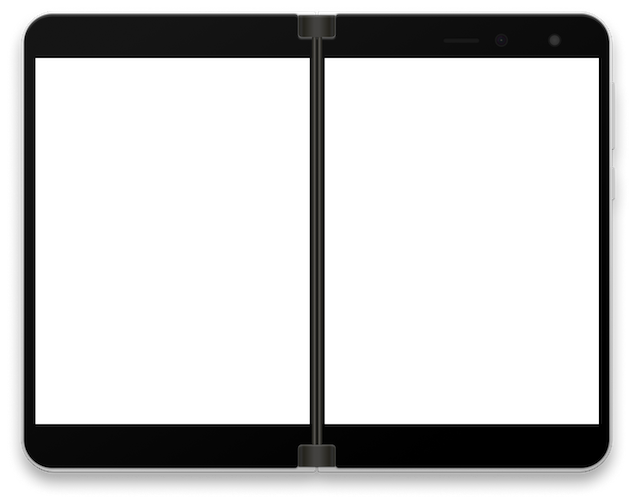 | |
| /// | |
| /// 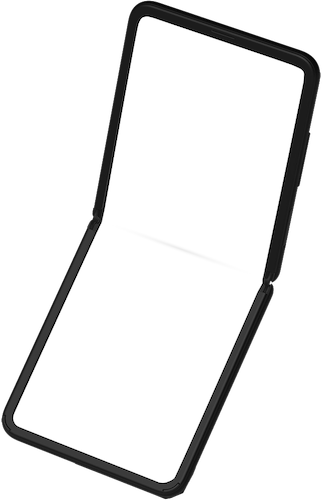 | |
| /// | |
| ///  | |
| /// | |
| /// The [state] contains information about the posture for foldable features | |
| /// ([DisplayFeatureType.hinge] and [DisplayFeatureType.fold]). The posture is | |
| /// the shape of the display, for example [DisplayFeatureState.postureFlat] or | |
| /// [DisplayFeatureState.postureHalfOpened]. For [DisplayFeatureType.cutout], | |
| /// the state is not used and has the [DisplayFeatureState.unknown] value. | |
| class DisplayFeature { | |
| const DisplayFeature({ | |
| required this.bounds, | |
| required this.type, | |
| required this.state, | |
| }) : assert(!identical(type, DisplayFeatureType.cutout) || identical(state, DisplayFeatureState.unknown)); | |
| /// The area of the flutter view occupied by this display feature, measured in logical pixels. | |
| /// | |
| /// On devices with two screens, the Flutter view spans from the top-left corner | |
| /// of the left or top screen to the bottom-right corner of the right or bottom screen, | |
| /// including the visual area occupied by any display feature. Bounds of display | |
| /// features are reported in this coordinate system. | |
| /// | |
| /// For example, on a dual screen device in portrait mode: | |
| /// | |
| /// * [bounds.left] gives you the size of left screen, in logical pixels. | |
| /// * [bounds.right] gives you the size of the left screen + the hinge width. | |
| final Rect bounds; | |
| /// Type of display feature, e.g. hinge, fold, cutout. | |
| final DisplayFeatureType type; | |
| /// Posture of display feature, which is populated only for folds and hinges. | |
| /// | |
| /// For cutouts, this is [DisplayFeatureState.unknown] | |
| final DisplayFeatureState state; | |
| @override | |
| bool operator ==(Object other) { | |
| if (identical(this, other)) { | |
| return true; | |
| } | |
| if (other.runtimeType != runtimeType) { | |
| return false; | |
| } | |
| return other is DisplayFeature | |
| && bounds == other.bounds | |
| && type == other.type | |
| && state == other.state; | |
| } | |
| @override | |
| int get hashCode => Object.hash(bounds, type, state); | |
| @override | |
| String toString() { | |
| return 'DisplayFeature(rect: $bounds, type: $type, state: $state)'; | |
| } | |
| } | |
| /// Type of [DisplayFeature], describing the [DisplayFeature] behaviour and if | |
| /// it obstructs the display. | |
| /// | |
| /// Some types of [DisplayFeature], like [DisplayFeatureType.fold], can be | |
| /// reported without actually impeding drawing on the screen. They are useful | |
| /// for knowing where the display is bent or has a crease. The | |
| /// [DisplayFeature.bounds] can be 0-width in such cases. | |
| /// | |
| /// The shape formed by the screens for types [DisplayFeatureType.fold] and | |
| /// [DisplayFeatureType.hinge] is called the posture and is exposed in | |
| /// [DisplayFeature.state]. For example, the [DisplayFeatureState.postureFlat] posture | |
| /// means the screens form a flat surface, while [DisplayFeatureState.postureFlipped] | |
| /// posture means the screens are facing opposite directions. | |
| /// | |
| ///  | |
| /// | |
| ///  | |
| /// | |
| ///  | |
| enum DisplayFeatureType { | |
| /// [DisplayFeature] type is new and not yet known to Flutter. | |
| unknown, | |
| /// A fold in the flexible screen without a physical gap. | |
| /// | |
| /// The bounds for this display feature type indicate where the display makes a crease. | |
| fold, | |
| /// A physical separation with a hinge that allows two display panels to fold. | |
| hinge, | |
| /// A non-displaying area of the screen, usually housing cameras or sensors. | |
| cutout, | |
| } | |
| /// State of the display feature, which contains information about the posture | |
| /// for foldable features. | |
| /// | |
| /// The posture is the shape made by the parts of the flexible screen or | |
| /// physical screen panels. They are inspired by and similar to | |
| /// [Android Postures](https://developer.android.com/guide/topics/ui/foldables#postures). | |
| /// | |
| /// * For [DisplayFeatureType.fold]s & [DisplayFeatureType.hinge]s, the state is | |
| /// the posture. | |
| /// * For [DisplayFeatureType.cutout]s, the state is not used and has the | |
| /// [DisplayFeatureState.unknown] value. | |
| enum DisplayFeatureState { | |
| /// The display feature is a [DisplayFeatureType.cutout] or this state is new | |
| /// and not yet known to Flutter. | |
| unknown, | |
| /// The foldable device is completely open. | |
| /// | |
| /// The screen space that is presented to the user is flat. | |
| postureFlat, | |
| /// Fold angle is in an intermediate position between opened and closed state. | |
| /// | |
| /// There is a non-flat angle between parts of the flexible screen or between | |
| /// physical screen panels such that the screens start to face each other. | |
| postureHalfOpened, | |
| } | |
| /// An identifier used to select a user's language and formatting preferences. | |
| /// | |
| /// This represents a [Unicode Language | |
| /// Identifier](https://www.unicode.org/reports/tr35/#Unicode_language_identifier) | |
| /// (i.e. without Locale extensions), except variants are not supported. | |
| /// | |
| /// Locales are canonicalized according to the "preferred value" entries in the | |
| /// [IANA Language Subtag | |
| /// Registry](https://www.iana.org/assignments/language-subtag-registry/language-subtag-registry). | |
| /// For example, `const Locale('he')` and `const Locale('iw')` are equal and | |
| /// both have the [languageCode] `he`, because `iw` is a deprecated language | |
| /// subtag that was replaced by the subtag `he`. | |
| /// | |
| /// See also: | |
| /// | |
| /// * [PlatformDispatcher.locale], which specifies the system's currently selected | |
| /// [Locale]. | |
| class Locale { | |
| /// Creates a new Locale object. The first argument is the | |
| /// primary language subtag, the second is the region (also | |
| /// referred to as 'country') subtag. | |
| /// | |
| /// For example: | |
| /// | |
| /// ```dart | |
| /// const Locale swissFrench = Locale('fr', 'CH'); | |
| /// const Locale canadianFrench = Locale('fr', 'CA'); | |
| /// ``` | |
| /// | |
| /// The primary language subtag must not be null. The region subtag is | |
| /// optional. When there is no region/country subtag, the parameter should | |
| /// be omitted or passed `null` instead of an empty-string. | |
| /// | |
| /// The subtag values are _case sensitive_ and must be one of the valid | |
| /// subtags according to CLDR supplemental data: | |
| /// [language](https://github.com/unicode-org/cldr/blob/master/common/validity/language.xml), | |
| /// [region](https://github.com/unicode-org/cldr/blob/master/common/validity/region.xml). The | |
| /// primary language subtag must be at least two and at most eight lowercase | |
| /// letters, but not four letters. The region region subtag must be two | |
| /// uppercase letters or three digits. See the [Unicode Language | |
| /// Identifier](https://www.unicode.org/reports/tr35/#Unicode_language_identifier) | |
| /// specification. | |
| /// | |
| /// Validity is not checked by default, but some methods may throw away | |
| /// invalid data. | |
| /// | |
| /// See also: | |
| /// | |
| /// * [Locale.fromSubtags], which also allows a [scriptCode] to be | |
| /// specified. | |
| const Locale( | |
| this._languageCode, [ | |
| this._countryCode, | |
| ]) : assert(_languageCode != null), | |
| assert(_languageCode != ''), | |
| scriptCode = null; | |
| /// Creates a new Locale object. | |
| /// | |
| /// The keyword arguments specify the subtags of the Locale. | |
| /// | |
| /// The subtag values are _case sensitive_ and must be valid subtags according | |
| /// to CLDR supplemental data: | |
| /// [language](https://github.com/unicode-org/cldr/blob/master/common/validity/language.xml), | |
| /// [script](https://github.com/unicode-org/cldr/blob/master/common/validity/script.xml) and | |
| /// [region](https://github.com/unicode-org/cldr/blob/master/common/validity/region.xml) for | |
| /// each of languageCode, scriptCode and countryCode respectively. | |
| /// | |
| /// The [languageCode] subtag is optional. When there is no language subtag, | |
| /// the parameter should be omitted or set to "und". When not supplied, the | |
| /// [languageCode] defaults to "und", an undefined language code. | |
| /// | |
| /// The [countryCode] subtag is optional. When there is no country subtag, | |
| /// the parameter should be omitted or passed `null` instead of an empty-string. | |
| /// | |
| /// Validity is not checked by default, but some methods may throw away | |
| /// invalid data. | |
| const Locale.fromSubtags({ | |
| String languageCode = 'und', | |
| this.scriptCode, | |
| String? countryCode, | |
| }) : assert(languageCode != null), | |
| assert(languageCode != ''), | |
| _languageCode = languageCode, | |
| assert(scriptCode != ''), | |
| assert(countryCode != ''), | |
| _countryCode = countryCode; | |
| /// The primary language subtag for the locale. | |
| /// | |
| /// This must not be null. It may be 'und', representing 'undefined'. | |
| /// | |
| /// This is expected to be string registered in the [IANA Language Subtag | |
| /// Registry](https://www.iana.org/assignments/language-subtag-registry/language-subtag-registry) | |
| /// with the type "language". The string specified must match the case of the | |
| /// string in the registry. | |
| /// | |
| /// Language subtags that are deprecated in the registry and have a preferred | |
| /// code are changed to their preferred code. For example, `const | |
| /// Locale('he')` and `const Locale('iw')` are equal, and both have the | |
| /// [languageCode] `he`, because `iw` is a deprecated language subtag that was | |
| /// replaced by the subtag `he`. | |
| /// | |
| /// This must be a valid Unicode Language subtag as listed in [Unicode CLDR | |
| /// supplemental | |
| /// data](https://github.com/unicode-org/cldr/blob/master/common/validity/language.xml). | |
| /// | |
| /// See also: | |
| /// | |
| /// * [Locale.fromSubtags], which describes the conventions for creating | |
| /// [Locale] objects. | |
| String get languageCode => _deprecatedLanguageSubtagMap[_languageCode] ?? _languageCode; | |
| final String _languageCode; | |
| // This map is generated by //flutter/tools/gen_locale.dart | |
| // Mappings generated for language subtag registry as of 2019-02-27. | |
| static const Map<String, String> _deprecatedLanguageSubtagMap = <String, String>{ | |
| 'in': 'id', // Indonesian; deprecated 1989-01-01 | |
| 'iw': 'he', // Hebrew; deprecated 1989-01-01 | |
| 'ji': 'yi', // Yiddish; deprecated 1989-01-01 | |
| 'jw': 'jv', // Javanese; deprecated 2001-08-13 | |
| 'mo': 'ro', // Moldavian, Moldovan; deprecated 2008-11-22 | |
| 'aam': 'aas', // Aramanik; deprecated 2015-02-12 | |
| 'adp': 'dz', // Adap; deprecated 2015-02-12 | |
| 'aue': 'ktz', // ǂKxʼauǁʼein; deprecated 2015-02-12 | |
| 'ayx': 'nun', // Ayi (China); deprecated 2011-08-16 | |
| 'bgm': 'bcg', // Baga Mboteni; deprecated 2016-05-30 | |
| 'bjd': 'drl', // Bandjigali; deprecated 2012-08-12 | |
| 'ccq': 'rki', // Chaungtha; deprecated 2012-08-12 | |
| 'cjr': 'mom', // Chorotega; deprecated 2010-03-11 | |
| 'cka': 'cmr', // Khumi Awa Chin; deprecated 2012-08-12 | |
| 'cmk': 'xch', // Chimakum; deprecated 2010-03-11 | |
| 'coy': 'pij', // Coyaima; deprecated 2016-05-30 | |
| 'cqu': 'quh', // Chilean Quechua; deprecated 2016-05-30 | |
| 'drh': 'khk', // Darkhat; deprecated 2010-03-11 | |
| 'drw': 'prs', // Darwazi; deprecated 2010-03-11 | |
| 'gav': 'dev', // Gabutamon; deprecated 2010-03-11 | |
| 'gfx': 'vaj', // Mangetti Dune ǃXung; deprecated 2015-02-12 | |
| 'ggn': 'gvr', // Eastern Gurung; deprecated 2016-05-30 | |
| 'gti': 'nyc', // Gbati-ri; deprecated 2015-02-12 | |
| 'guv': 'duz', // Gey; deprecated 2016-05-30 | |
| 'hrr': 'jal', // Horuru; deprecated 2012-08-12 | |
| 'ibi': 'opa', // Ibilo; deprecated 2012-08-12 | |
| 'ilw': 'gal', // Talur; deprecated 2013-09-10 | |
| 'jeg': 'oyb', // Jeng; deprecated 2017-02-23 | |
| 'kgc': 'tdf', // Kasseng; deprecated 2016-05-30 | |
| 'kgh': 'kml', // Upper Tanudan Kalinga; deprecated 2012-08-12 | |
| 'koj': 'kwv', // Sara Dunjo; deprecated 2015-02-12 | |
| 'krm': 'bmf', // Krim; deprecated 2017-02-23 | |
| 'ktr': 'dtp', // Kota Marudu Tinagas; deprecated 2016-05-30 | |
| 'kvs': 'gdj', // Kunggara; deprecated 2016-05-30 | |
| 'kwq': 'yam', // Kwak; deprecated 2015-02-12 | |
| 'kxe': 'tvd', // Kakihum; deprecated 2015-02-12 | |
| 'kzj': 'dtp', // Coastal Kadazan; deprecated 2016-05-30 | |
| 'kzt': 'dtp', // Tambunan Dusun; deprecated 2016-05-30 | |
| 'lii': 'raq', // Lingkhim; deprecated 2015-02-12 | |
| 'lmm': 'rmx', // Lamam; deprecated 2014-02-28 | |
| 'meg': 'cir', // Mea; deprecated 2013-09-10 | |
| 'mst': 'mry', // Cataelano Mandaya; deprecated 2010-03-11 | |
| 'mwj': 'vaj', // Maligo; deprecated 2015-02-12 | |
| 'myt': 'mry', // Sangab Mandaya; deprecated 2010-03-11 | |
| 'nad': 'xny', // Nijadali; deprecated 2016-05-30 | |
| 'ncp': 'kdz', // Ndaktup; deprecated 2018-03-08 | |
| 'nnx': 'ngv', // Ngong; deprecated 2015-02-12 | |
| 'nts': 'pij', // Natagaimas; deprecated 2016-05-30 | |
| 'oun': 'vaj', // ǃOǃung; deprecated 2015-02-12 | |
| 'pcr': 'adx', // Panang; deprecated 2013-09-10 | |
| 'pmc': 'huw', // Palumata; deprecated 2016-05-30 | |
| 'pmu': 'phr', // Mirpur Panjabi; deprecated 2015-02-12 | |
| 'ppa': 'bfy', // Pao; deprecated 2016-05-30 | |
| 'ppr': 'lcq', // Piru; deprecated 2013-09-10 | |
| 'pry': 'prt', // Pray 3; deprecated 2016-05-30 | |
| 'puz': 'pub', // Purum Naga; deprecated 2014-02-28 | |
| 'sca': 'hle', // Sansu; deprecated 2012-08-12 | |
| 'skk': 'oyb', // Sok; deprecated 2017-02-23 | |
| 'tdu': 'dtp', // Tempasuk Dusun; deprecated 2016-05-30 | |
| 'thc': 'tpo', // Tai Hang Tong; deprecated 2016-05-30 | |
| 'thx': 'oyb', // The; deprecated 2015-02-12 | |
| 'tie': 'ras', // Tingal; deprecated 2011-08-16 | |
| 'tkk': 'twm', // Takpa; deprecated 2011-08-16 | |
| 'tlw': 'weo', // South Wemale; deprecated 2012-08-12 | |
| 'tmp': 'tyj', // Tai Mène; deprecated 2016-05-30 | |
| 'tne': 'kak', // Tinoc Kallahan; deprecated 2016-05-30 | |
| 'tnf': 'prs', // Tangshewi; deprecated 2010-03-11 | |
| 'tsf': 'taj', // Southwestern Tamang; deprecated 2015-02-12 | |
| 'uok': 'ema', // Uokha; deprecated 2015-02-12 | |
| 'xba': 'cax', // Kamba (Brazil); deprecated 2016-05-30 | |
| 'xia': 'acn', // Xiandao; deprecated 2013-09-10 | |
| 'xkh': 'waw', // Karahawyana; deprecated 2016-05-30 | |
| 'xsj': 'suj', // Subi; deprecated 2015-02-12 | |
| 'ybd': 'rki', // Yangbye; deprecated 2012-08-12 | |
| 'yma': 'lrr', // Yamphe; deprecated 2012-08-12 | |
| 'ymt': 'mtm', // Mator-Taygi-Karagas; deprecated 2015-02-12 | |
| 'yos': 'zom', // Yos; deprecated 2013-09-10 | |
| 'yuu': 'yug', // Yugh; deprecated 2014-02-28 | |
| }; | |
| /// The script subtag for the locale. | |
| /// | |
| /// This may be null, indicating that there is no specified script subtag. | |
| /// | |
| /// This must be a valid Unicode Language Identifier script subtag as listed | |
| /// in [Unicode CLDR supplemental | |
| /// data](https://github.com/unicode-org/cldr/blob/master/common/validity/script.xml). | |
| /// | |
| /// See also: | |
| /// | |
| /// * [Locale.fromSubtags], which describes the conventions for creating | |
| /// [Locale] objects. | |
| final String? scriptCode; | |
| /// The region subtag for the locale. | |
| /// | |
| /// This may be null, indicating that there is no specified region subtag. | |
| /// | |
| /// This is expected to be string registered in the [IANA Language Subtag | |
| /// Registry](https://www.iana.org/assignments/language-subtag-registry/language-subtag-registry) | |
| /// with the type "region". The string specified must match the case of the | |
| /// string in the registry. | |
| /// | |
| /// Region subtags that are deprecated in the registry and have a preferred | |
| /// code are changed to their preferred code. For example, `const Locale('de', | |
| /// 'DE')` and `const Locale('de', 'DD')` are equal, and both have the | |
| /// [countryCode] `DE`, because `DD` is a deprecated language subtag that was | |
| /// replaced by the subtag `DE`. | |
| /// | |
| /// See also: | |
| /// | |
| /// * [Locale.fromSubtags], which describes the conventions for creating | |
| /// [Locale] objects. | |
| String? get countryCode => _deprecatedRegionSubtagMap[_countryCode] ?? _countryCode; | |
| final String? _countryCode; | |
| // This map is generated by //flutter/tools/gen_locale.dart | |
| // Mappings generated for language subtag registry as of 2019-02-27. | |
| static const Map<String, String> _deprecatedRegionSubtagMap = <String, String>{ | |
| 'BU': 'MM', // Burma; deprecated 1989-12-05 | |
| 'DD': 'DE', // German Democratic Republic; deprecated 1990-10-30 | |
| 'FX': 'FR', // Metropolitan France; deprecated 1997-07-14 | |
| 'TP': 'TL', // East Timor; deprecated 2002-05-20 | |
| 'YD': 'YE', // Democratic Yemen; deprecated 1990-08-14 | |
| 'ZR': 'CD', // Zaire; deprecated 1997-07-14 | |
| }; | |
| @override | |
| bool operator ==(Object other) { | |
| if (identical(this, other)) { | |
| return true; | |
| } | |
| if (other is! Locale) { | |
| return false; | |
| } | |
| final String? thisCountryCode = countryCode; | |
| final String? otherCountryCode = other.countryCode; | |
| return other.languageCode == languageCode | |
| && other.scriptCode == scriptCode // scriptCode cannot be '' | |
| && (other.countryCode == thisCountryCode // Treat '' as equal to null. | |
| || otherCountryCode != null && otherCountryCode.isEmpty && thisCountryCode == null | |
| || thisCountryCode != null && thisCountryCode.isEmpty && other.countryCode == null); | |
| } | |
| @override | |
| int get hashCode => Object.hash(languageCode, scriptCode, countryCode == '' ? null : countryCode); | |
| static Locale? _cachedLocale; | |
| static String? _cachedLocaleString; | |
| /// Returns a string representing the locale. | |
| /// | |
| /// This identifier happens to be a valid Unicode Locale Identifier using | |
| /// underscores as separator, however it is intended to be used for debugging | |
| /// purposes only. For parsable results, use [toLanguageTag] instead. | |
| @keepToString | |
| @override | |
| String toString() { | |
| if (!identical(_cachedLocale, this)) { | |
| _cachedLocale = this; | |
| _cachedLocaleString = _rawToString('_'); | |
| } | |
| return _cachedLocaleString!; | |
| } | |
| /// Returns a syntactically valid Unicode BCP47 Locale Identifier. | |
| /// | |
| /// Some examples of such identifiers: "en", "es-419", "hi-Deva-IN" and | |
| /// "zh-Hans-CN". See http://www.unicode.org/reports/tr35/ for technical | |
| /// details. | |
| String toLanguageTag() => _rawToString('-'); | |
| String _rawToString(String separator) { | |
| final StringBuffer out = StringBuffer(languageCode); | |
| if (scriptCode != null && scriptCode!.isNotEmpty) { | |
| out.write('$separator$scriptCode'); | |
| } | |
| if (_countryCode != null && _countryCode!.isNotEmpty) { | |
| out.write('$separator$countryCode'); | |
| } | |
| return out.toString(); | |
| } | |
| } | |
| /// Various performance modes for tuning the Dart VM's GC performance. | |
| /// | |
| /// For the editor of this enum, please keep the order in sync with `Dart_PerformanceMode` | |
| /// in [dart_api.h](https://github.com/dart-lang/sdk/blob/main/runtime/include/dart_api.h#L1302). | |
| enum DartPerformanceMode { | |
| /// This is the default mode that the Dart VM is in. | |
| balanced, | |
| /// Optimize for low latency, at the expense of throughput and memory overhead | |
| /// by performing work in smaller batches (requiring more overhead) or by | |
| /// delaying work (requiring more memory). An embedder should not remain in | |
| /// this mode indefinitely. | |
| latency, | |
| /// Optimize for high throughput, at the expense of latency and memory overhead | |
| /// by performing work in larger batches with more intervening growth. | |
| throughput, | |
| /// Optimize for low memory, at the expensive of throughput and latency by more | |
| /// frequently performing work. | |
| memory, | |
| } |